
Upon discovering a lump in her right breast in the summer of 2020, Toronto resident Elysia Bryan hesitated to seek medical attention, hoping it would resolve itself. Despite being healthy and active at 34, Bryan delayed getting screened for breast cancer, attributing it to the lump being visible and painful, leading her to believe it might disappear if ignored.
After neglecting the lump for several months, Bryan eventually consulted her family doctor in April 2021, who recommended a mammogram and a biopsy. Following the biopsy at St. Michael’s Hospital, she received a breast cancer diagnosis and underwent a lumpectomy within two weeks. Subsequently, Bryan underwent extensive treatment, including eight rounds of chemotherapy, 24 radiation sessions, genetic testing, mastectomy, and reconstruction, resulting in being cancer-free. Bryan now advocates for early breast cancer screening, emphasizing the importance of timely detection for better treatment outcomes.
Collaborating with The Olive Branch of Hope, an organization supporting Black women with breast cancer, Bryan highlighted the increasing number of young women diagnosed with the disease, underscoring the significance of proactive health monitoring and accessible screenings.
Study Reveals Low Screening Rates
A recent study by Hologic Global Women’s Health Index unveiled that only 15 percent of Canadian women reported undergoing breast or cervical cancer screening in the past year, in contrast to 25 percent in the United States. The study, developed by Hologic in partnership with Gallup, highlighted disparities in screening rates among women with lower incomes, ethnic minorities, and newcomers, who exhibited lower screening participation.
Ontario’s decision to lower the self-referral age for mammograms by a decade a year ago aimed to enhance early detection of breast cancer, aligning with Health Minister Sylvia Jones’s assertion that early detection and improved access to treatment save lives. Despite the change allowing women in their 40s to directly book mammograms without a doctor’s referral, only about 21 percent of eligible women in the 40-49 age group have undergone screening according to Ontario Health data.
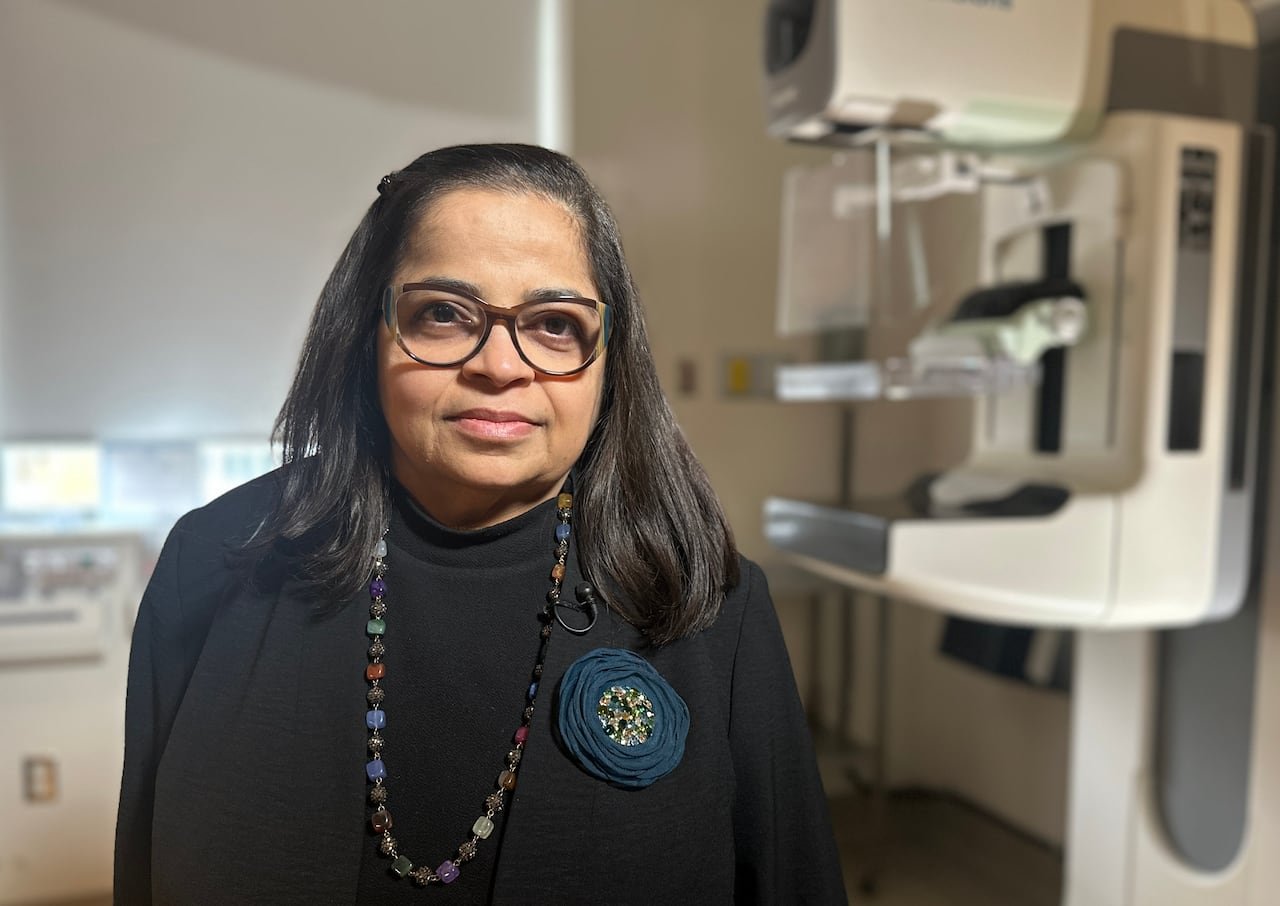
Dr. Supriya Kulkarni, a breast imaging radiologist at University Health Network, highlighted the imperative to broaden screening outreach efforts, particularly among immigrant populations, refugees, individuals with language barriers, and First Nations communities who may face barriers to accessing healthcare services.
Efforts to enhance screening rates are crucial, with Dr. Kulkarni expressing optimism that Ontario’s revised guidelines will encourage earlier screening among younger individuals, advocating for regular screening as a routine part of women’s healthcare.
Initiatives to Boost Screening
Dr. Ritika Goel, a Toronto-based family doctor, emphasized the challenges faced by socially marginalized individuals in accessing healthcare services, including breast cancer screening disparities among racialized and immigrant women. Addressing broader issues of health access and outcomes, Dr. Goel highlighted the social and structural determinants influencing health disparities.
Ontario Health’s efforts to promote screening include developing multilingual breast cancer screening materials, hosting awareness webinars, and implementing preventive care programs with prevention specialists engaging in culturally responsive screening conversations with over 7,000 individuals from racialized and underserved communities.
With advancements in screening technologies making the process more convenient and comfortable, the goal is to expand screening reach, ultimately saving more lives through early detection and timely intervention.