

After being approved for a $25,000 grant in January 2025, Carey Perkins, a Kanienʼkehá:ka from Akwesasne and owner of Niio Perkins Designs, has yet to receive the funds. The delay has caused significant challenges for Perkins, leading her to fall behind on studio space insurance payments and eventually vacate her studio in August 2025.
Perkins is just one of many small business owners affected by the delayed funding from the Indigenous Tourism Association of Canada (ITAC).
ITAC, focused on enhancing authentic Indigenous tourism in Canada, distributed approximately $3.3 million in federal funding through the Micro and Small Business Stream (MSBS) in early 2025. This funding was allocated to 136 Indigenous tourism businesses.
Following concerns raised by grant recipients like Perkins, Innovation, Science and Economic Development Canada has pledged to investigate the issue to ensure proper reimbursement to all affected parties.
Keith Henry, President and CEO of ITAC, acknowledged that some MSBS grants from 2024-2025 are still pending, with efforts being made to settle outstanding payments as revenues allow.
Despite challenges, ITAC has approved numerous development projects, including those funded through MSBS, to support Indigenous tourism initiatives in Canada.
Spending Funds Preemptively
Perkins expressed frustration over the requirement to spend grant funds before their receipt, impacting her plans to expand her business beyond her community. She was instructed to utilize the funds by March 31, 2025, prior to receiving them.

Similarly, Aïcha Smith-Belghaba, an entrepreneur from Six Nations of the Grand River, faced a similar predicament. Her business, Esha’s Eats, approved for a $25,000 MSBS grant in January 2025, encountered challenges when the expected funding did not materialize.

Smith-Belghaba shared the financial strain she experienced as a result of the delayed funding, leading to significant business setbacks and a need to scale back operations.
Issues Post-Tourism Conference
Following an Indigenous tourism conference hosted by ITAC, delays in payments were reported by several Indigenous businesses, including Nathan Rainy Chief, executive director of 49 Dzine. Despite providing services at the conference, invoices remained unpaid for an extended period.
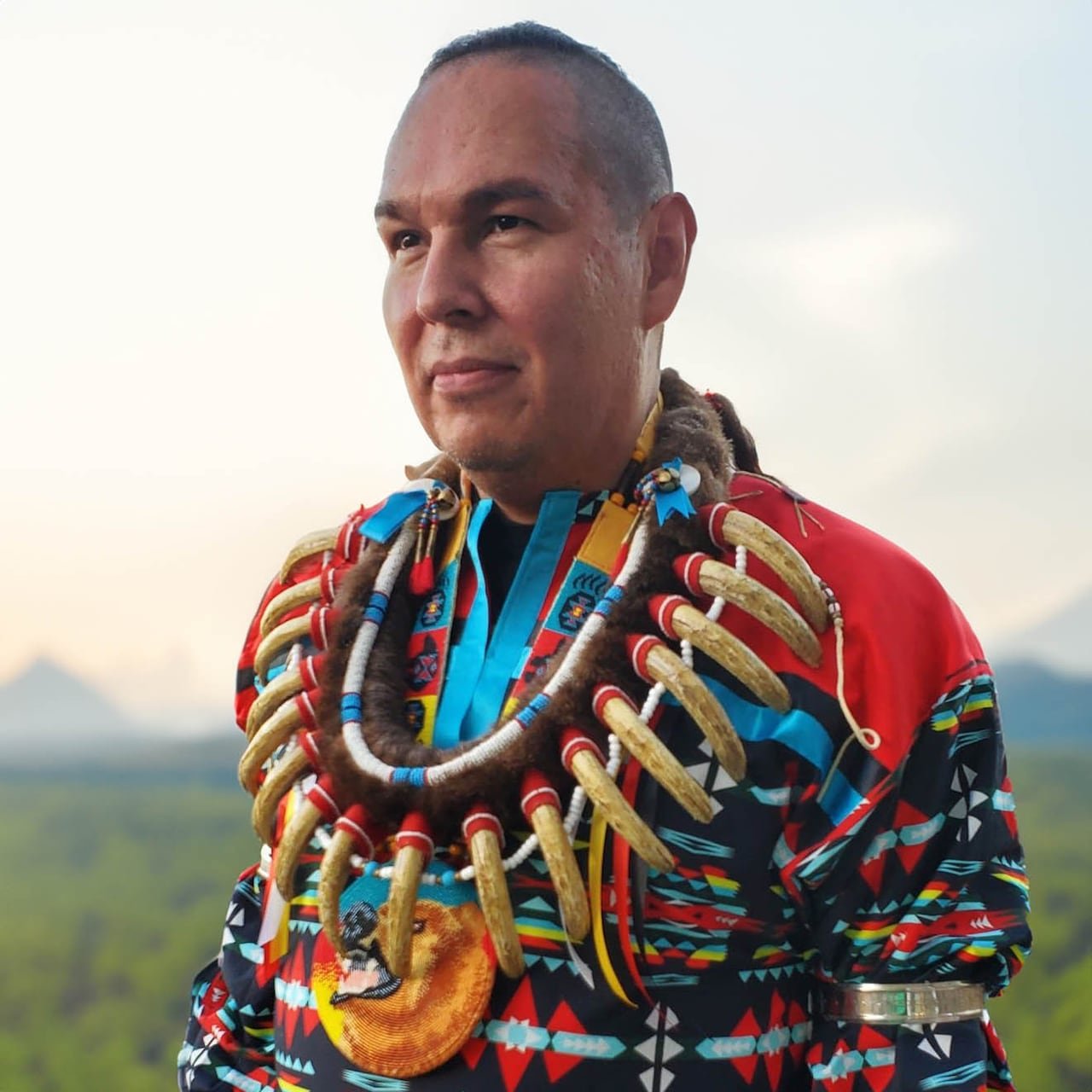
Rainy Chief highlighted the impact on elders and knowledge keepers who were left unpaid, stressing the importance of upholding Indigenous protocols.
Financial Expectations