

Over 50 countries have convened in Colombia for a groundbreaking summit dedicated to phasing out oil, gas, and coal, marking a shift from the long-standing impasse on fossil fuel discussions at UN climate talks.
The Transitioning Away from Fossil Fuels conference kicks off today in Santa Marta, aiming to address the challenge of reducing reliance on fossil fuels, a key driver of the climate crisis, outside the traditional UN framework where major fossil fuel producers have hindered progress in the past.
While the summit will not result in a formal treaty or binding agreements, advocates are optimistic that a smaller coalition of nations willing to act can make strides in transitioning away from fossil fuels.
Nikki Reisch, the director of the climate and energy program at the U.S.-based Center for International Environmental Law, emphasized the significance of the conference in spotlighting the importance of prioritizing fossil fuel discussions.
However, the participation of Canada, a leading oil and gas producer, at the summit adds complexity to the discussions, as the country is present with negotiators but no ministers.
Shifting Focus to Action
Focusing on actionable steps rather than debating the necessity of phasing out fossil fuels, participants at the Santa Marta conference aim to delve into the practical aspects of transitioning away from these carbon-intensive energy sources without being bogged down by ideological disagreements.
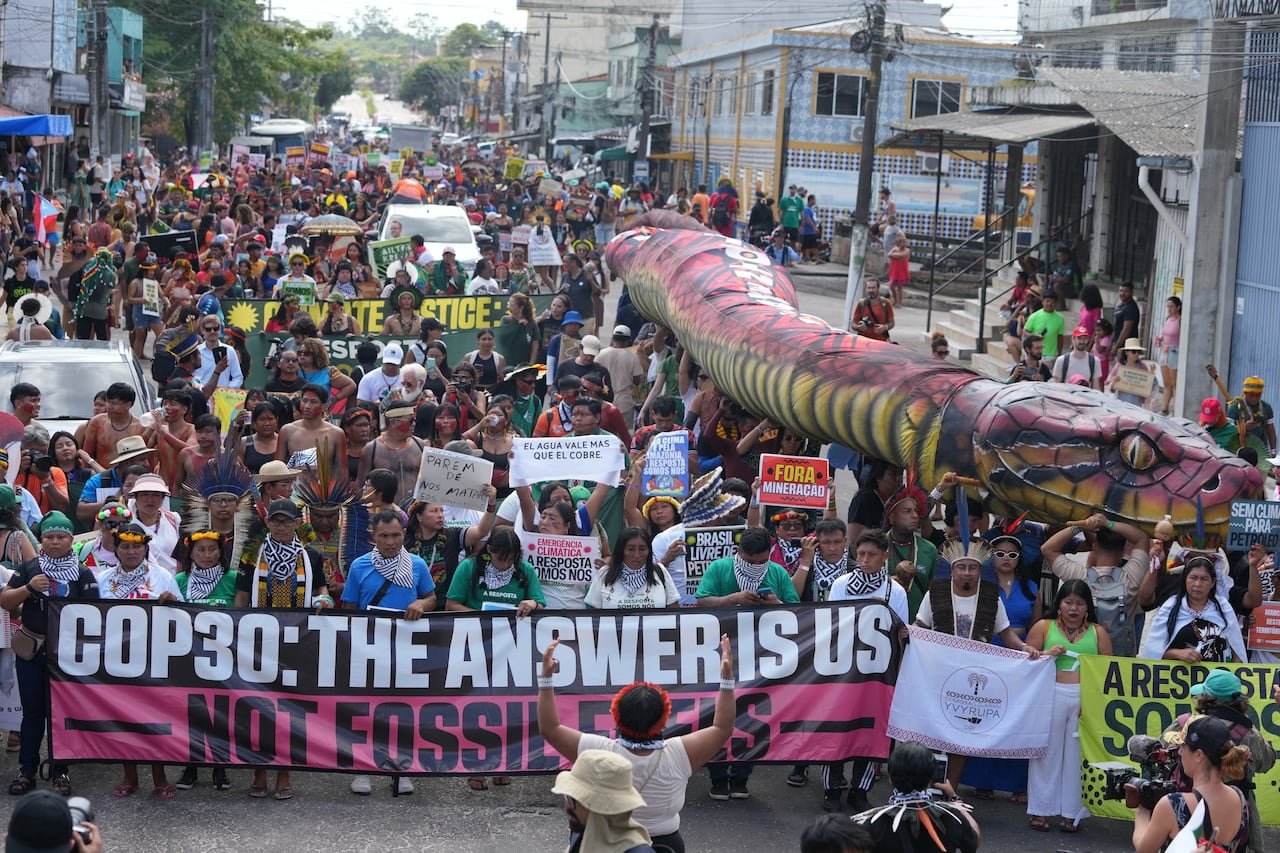
Oil, gas, and coal contribute significantly to global warming, accounting for two-thirds of greenhouse gas emissions. Despite their pivotal role in economies worldwide, discussions on phasing out fossil fuels have been notably absent from previous UN climate talks, with influential oil-producing nations obstructing meaningful resolutions.
Tzeporah Berman, the chair and founder of the Fossil Fuel Treaty Initiative, highlighted the deliberate avoidance of substantive conversations on ending fossil fuel use by countries like Saudi Arabia at UN climate conventions.
Following the unsuccessful COP30 hosted by Brazil, which failed to establish a roadmap for fossil fuel phase-out, Colombia and the Netherlands took the initiative to host the Santa Marta conference as a separate platform to address this critical issue.
Unlike traditional UN assemblies where consensus is paramount, the Santa Marta conference offers a departure from the norm, enabling a focused dialogue among willing nations without the need for universal agreement on every issue.
Canada’s Role in the Discussion
Canada’s participation in the summit, albeit with negotiators instead of ministers, is significant given its status as a major oil and gas producer.
Reisch stressed the importance of including producer countries in discussions, emphasizing the mutual interest in establishing a clear path to reducing economic dependence on fossil fuels.
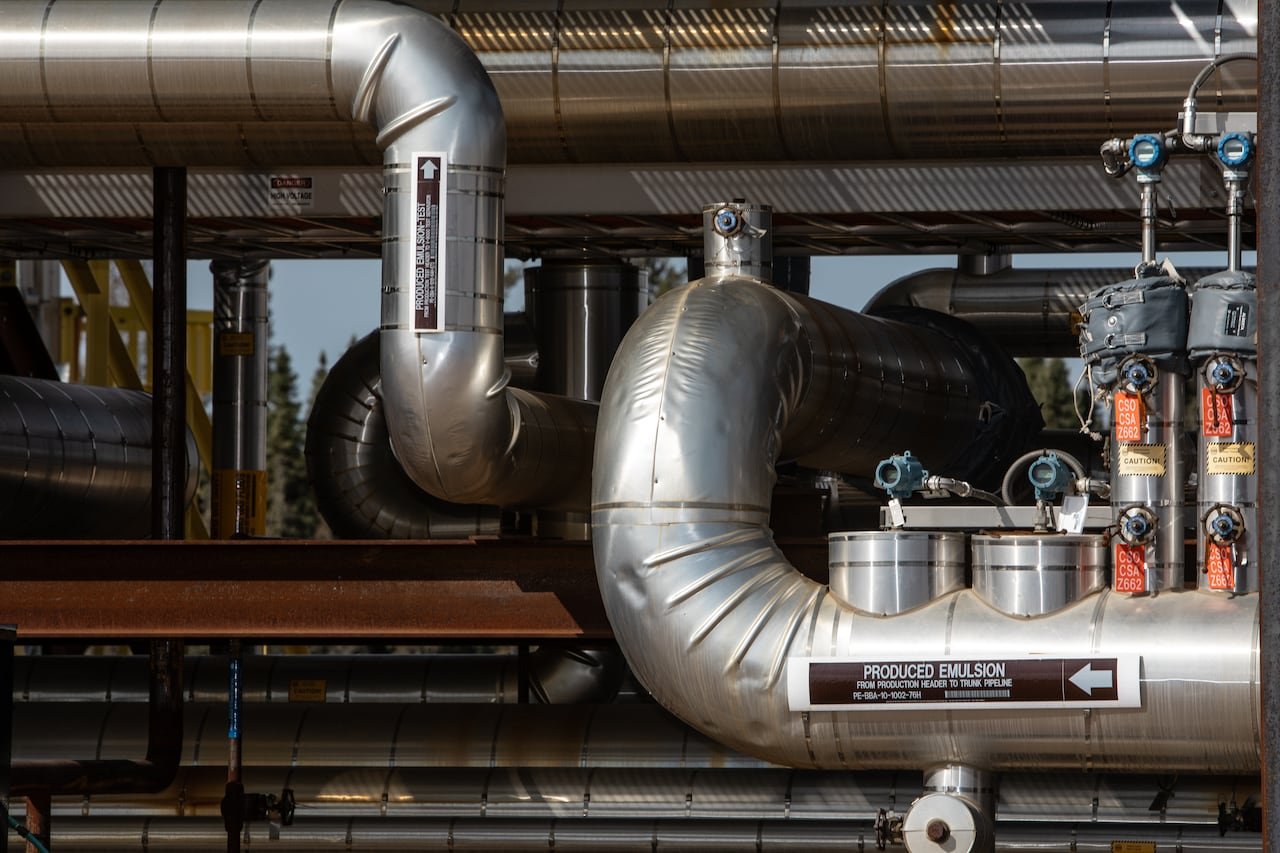
The Canadian government affirmed its commitment to achieving net-zero emissions by 2050 while acknowledging that the oil and gas sector remains the country’s highest-emitting sector, particularly with the continued expansion of the oilsands industry.
<figcaption class="