

Activists reported that the death toll from widespread protests in Iran had surpassed 2,500 individuals by early Wednesday. Following a government crackdown that included cutting off communications, Iranians were able to make international phone calls again after days of isolation. The level of violence witnessed during these protests has not been observed in Iran for many years.
The Human Rights Activists News Agency (HRANA) based in the United States, known for its reliability in previous unrest events, confirmed the latest casualty count at 2,571. The organization relies on its supporters in Iran to verify the information provided. Out of the total reported deaths, 2,403 were protesters, 147 were linked to the government, and 12 were children. Additionally, nine civilians not involved in the protests lost their lives. The activist group also disclosed that over 18,100 individuals had been detained during the two weeks of demonstrations.
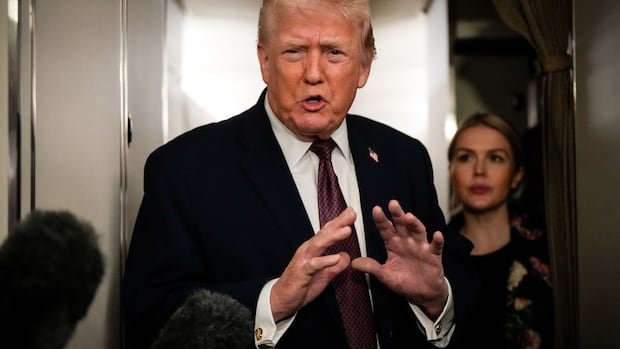
As the death toll rose, U.S. President Donald Trump took to his Truth Social platform on Tuesday to encourage Iranian protesters to persist and take control of their institutions. He declared the cancellation of all scheduled meetings with Iranian officials until the unjust killing of protesters ceased, promising assistance.
However, Trump later informed the press that his administration awaited an accurate assessment of the number of protesters killed before making further decisions. The Iranian government has not disclosed comprehensive casualty figures. Iranian state television acknowledged the high number of casualties after HRANA activists released their toll, citing an official who mentioned the country had “many martyrs.”
With internet services disrupted in Iran, monitoring the protests from outside the country has become increasingly challenging. The Associated Press has not been able to independently verify the reported death toll.
Banks damaged during unrest
Following the resumption of international phone calls for Iranians on Tuesday, witnesses provided insights into life after being cut off from the world. They described a heavy security presence in central Tehran, with anti-riot police equipped with various weapons patrolling major intersections. Witnesses also mentioned the presence of armed members of the Revolutionary Guard’s Basij force and plainclothes security officials in public areas. Several banks and government offices were reportedly set on fire during the protests, with ATMs vandalized and transactions hampered due to the lack of internet connectivity.
Get the latest on CBCNews.ca, the CBC News App, and CBC News Network for breaking news and analysis.
While shops were open in Tehran, foot traffic was minimal. The Grand Bazaar, where the protests originated on December 28, was scheduled to reopen on Tuesday, despite reports of security forces coercing shopkeepers to resume operations. The witnesses shared their accounts anonymously due to concerns of retaliation.
Concerns of potential military action
Fears linger