

Kevin Arey, a member of the Imaryuk Monitor program, recalls a time when spotting beavers in the Inuvialuit region was a special experience. However, he now expresses concern as he notes the proliferation of these creatures in the area.
Arey, tasked with safeguarding wildlife and land along the Inuvik-Tuktoyaktuk Highway in the Northwest Territories, highlights the escalating presence of beavers in the region. He even witnessed a beaver swimming in saltwater, an unusual behavior for these typically freshwater animals.
According to Arey, the increasing beaver population and their construction of dams are impacting traditional travel routes and altering the natural environment.
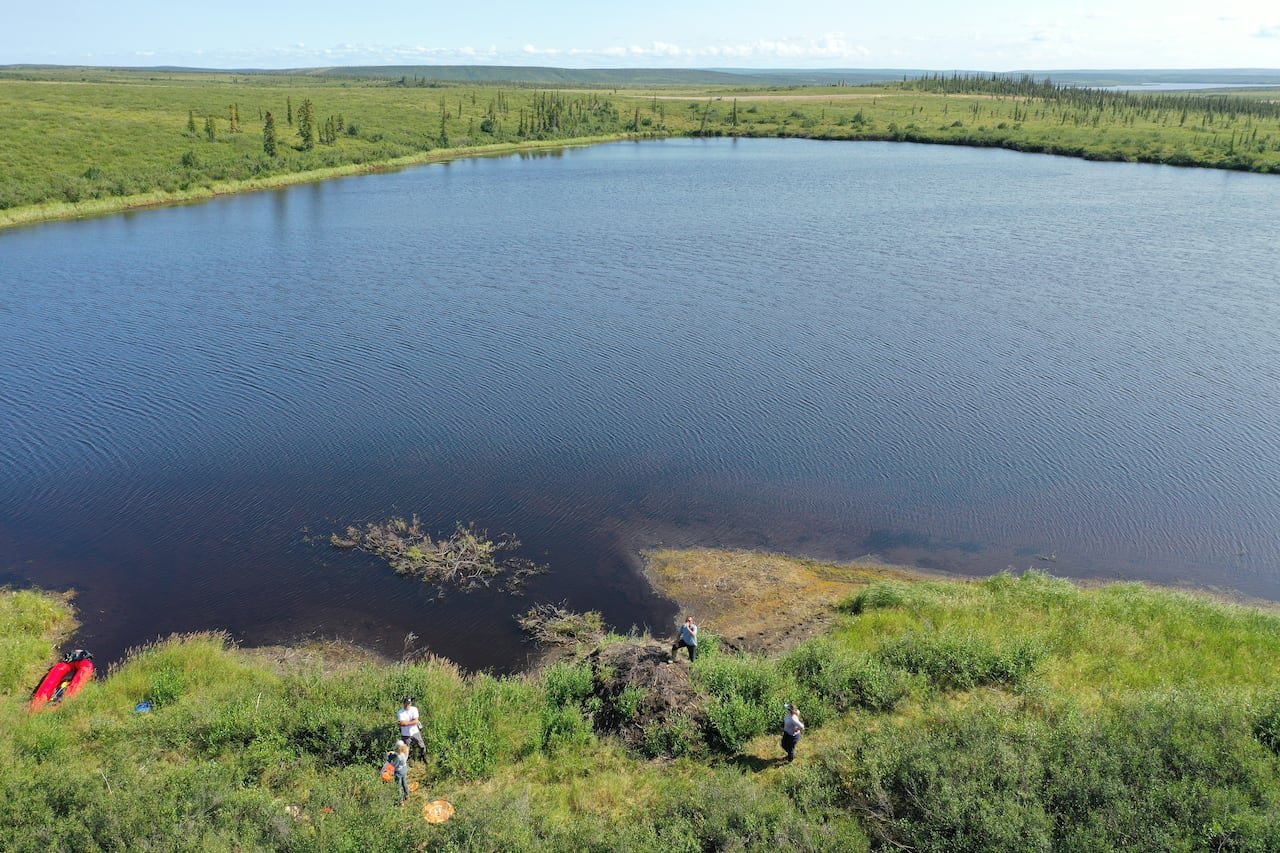
Beaver Expansion Revealed in Research Findings
The firsthand observations made by Arey have now been corroborated by a recent study published in the journal Ecosphere . The study uses satellite imagery and vegetation analysis to provide new evidence of beaver expansion in the Arctic dating back to 2008.
Helen Wheeler, the study’s senior author and an associate professor at Anglia Ruskin University in the UK, points to climate change and shrubification as key factors driving beavers to settle in Arctic regions. Shrubification, characterized by an increase in shrubs that beavers use for dam construction, is one of the contributing factors.
Wheeler explains that examining shrub rings, similar to tree rings, offers insights into the historical presence of beavers in specific locations, aiding researchers in understanding their migratory patterns.
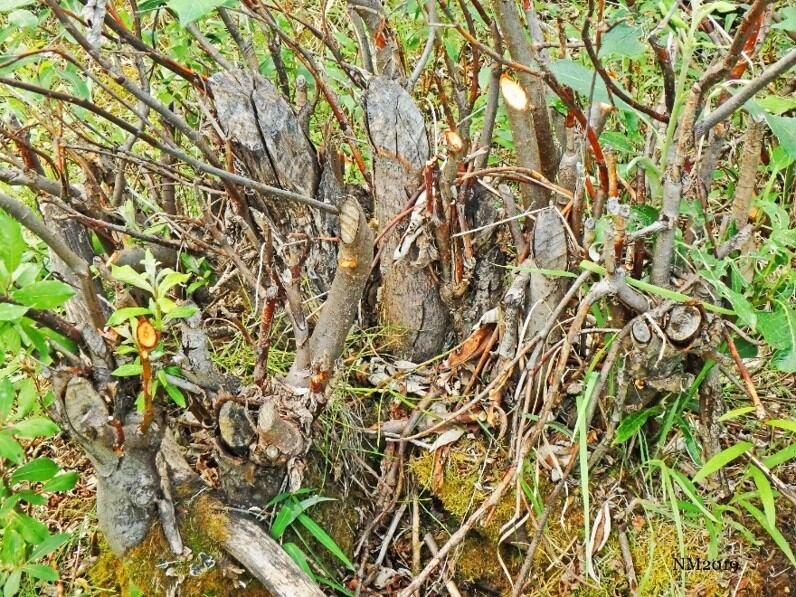
The study also examines satellite imagery of surface water changes over time to detect potential dam construction activities by beavers. Wheeler emphasizes how beaver dams can obstruct waterways, impacting travel routes and causing ecological disturbances.
Community members have reported issues such as overflows caused by dams, leading to water accumulation on ice surfaces, which poses challenges for transportation.
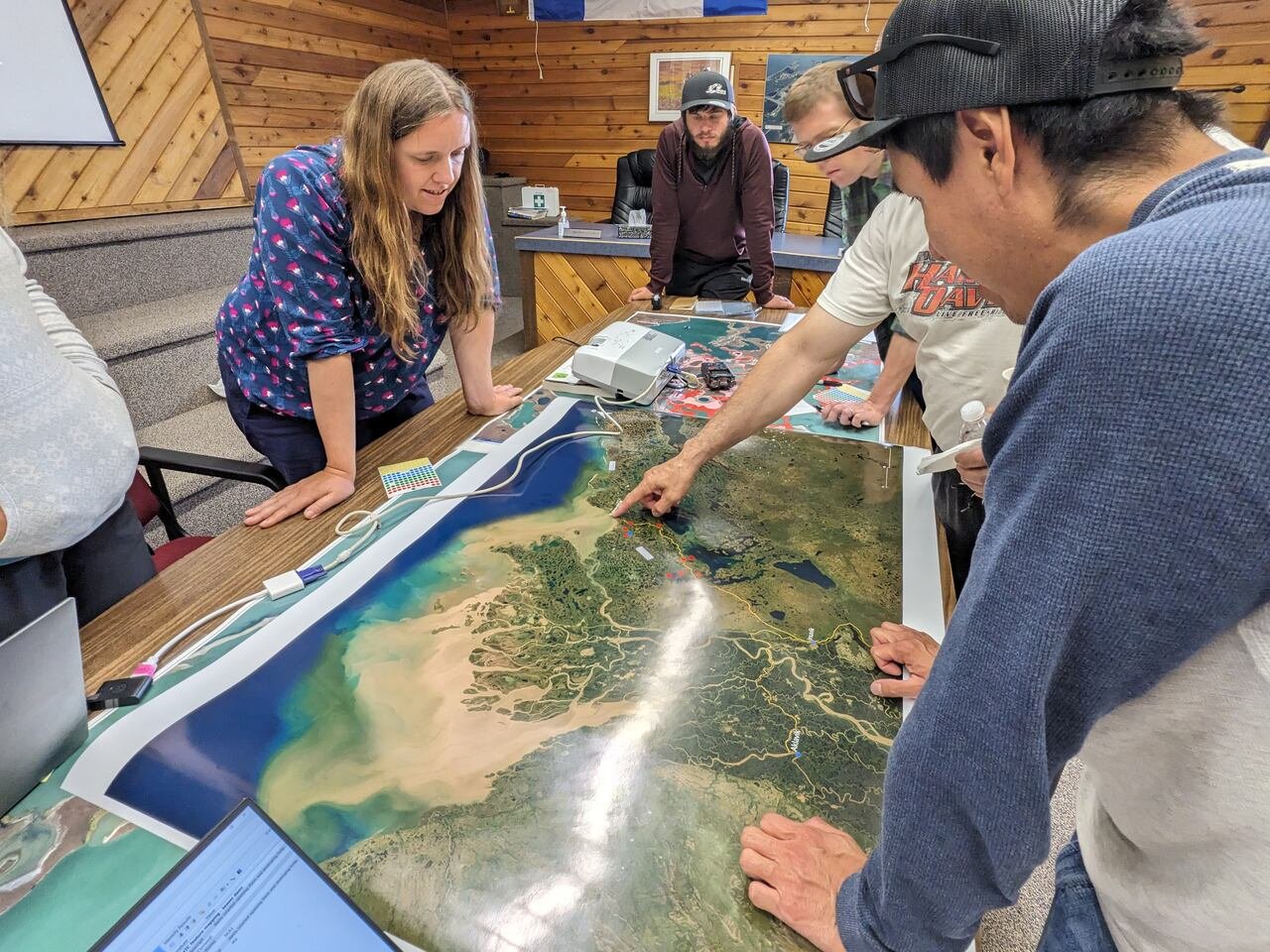
Arey attributes the surge in beaver numbers to limited hunting and trapping activities in the region, as there is minimal demand for beaver products. He stresses the urgency of addressing the escalating beaver population and advocates