
Greta Thunberg, the Swedish climate activist, shared that when she was 11 years old, she experienced severe depression due to climate change, leading her to stop talking and eating, resulting in a weight loss of 10 kilograms in just two months.
In Canada, a mother from Salmon Arm, B.C., with two children expressed her overwhelming anxiety about the future climate her kids will face, describing it as suffocating. A student from Calgary admitted to developing food-related obsessions as a coping mechanism for her climate change anxiety, at times struggling to make food choices that aligned with her environmental concerns.
A recent study, published in Nature Mental Health, estimated that close to a million Canadians suffer from severe climate anxiety, disrupting their sleep and daily functioning.
The study surveyed over 2,400 Canadians aged 13 and above, using a climate change anxiety scale to gauge their responses to statements like “Thinking about climate change affects my ability to sleep” or “Climate change makes me cry.” It found that 90% of respondents were worried about climate change, with 68% experiencing some level of anxiety, which the researchers deemed a normal reaction to the environmental crises faced, such as wildfires and extreme heat.
About 2.35% of participants exhibited “clinically relevant” symptoms of climate anxiety.
Clinical Significance
According to Sherilee Harper, a public health professor at the University of Alberta who led the study, over 980,000 Canadians, nearly a million people, are grappling with climate change anxiety at a level that impacts their sleep, concentration, or daily life significantly, reaching clinical importance.
Although slightly lower than the percentage of Canadians with generalized anxiety disorder, the rate of “clinically relevant” climate anxiety underscores the seriousness of the issue. It remains unclear how much overlap exists between the two groups.
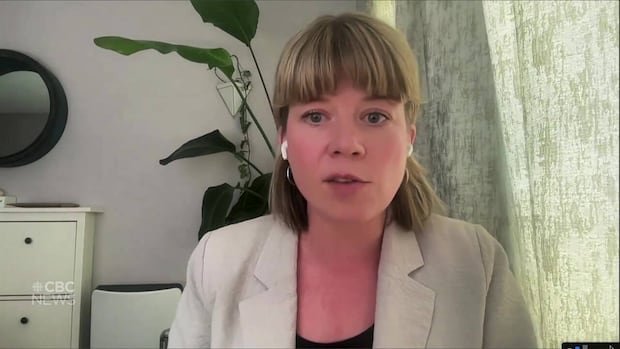
The study highlighted that climate anxiety affects individuals across Canada, including those who have not directly experienced climate-related events like wildfires or extreme heat.
Harper emphasized the need for support systems for those struggling with climate anxiety, suggesting options such as trained therapists specializing in climate anxiety discussions or community initiatives like climate cafes where individuals can connect and share their worries. While taking action on climate change can alleviate anxiety, creating spaces for open dialogue without pressure for immediate action is equally crucial.
The research revealed that climate anxiety diminishes with age, peaking among Generation Y and Z while being lowest among Baby Boomers and older generations. Indigenous individuals had the highest rates of climate anxiety, with other groups like women, those with household incomes under $60,000, and residents of Northern Canada also reporting elevated levels of anxiety.
Merril Dean, a school psychologist in the Northwest Territories, noted the heightened anxiety among northerners due to the visible impacts of climate change in the region, such as rapid warming leading to increased wildfires.
Existential Dread
Dean described the profound impact of wildfires in the Northwest Territories in 2023, which forced a significant portion of the population to evacuate. Upon their return, the residents faced a drastically altered environment, marked by burnt homes and extensive areas of charred trees, intensifying their anxiety. Climate change has also disrupted traditional activities like seal hunting