During his childhood, Satoshi Tajiri had a fascination with collecting and interacting with insects in his backyard. As he matured, his love for playing video games at arcades inspired him to combine these interests.
This fusion led to the creation of one of the most renowned franchises globally.
Describing the impact of Pokemon, Matt Alt, an author based in Tokyo and writer of Pure Invention: How Japan Made the Modern World, emphasized that “Pokemon has evolved into a lifestyle phenomenon.”
Celebrating its 30th anniversary this month, Pokemon, the brainchild of Tajiri, commenced its festivities with a Super Bowl advertisement featuring celebrities like Maitreyi Ramakrishnan, Lady Gaga, Trevor Noah, Jisoo, and Lamine Yamal sharing their favorite Pokemon characters.
Since its introduction in 1996, Pokemon has outperformed popular franchises such as Star Wars, the Marvel Cinematic Universe, and Harry Potter to become the most lucrative media franchise, amassing over $100 billion in revenue, with a reported $12 billion in profit in 2024 according to License Global.
Its success stems from a combination of video games, trading cards, and an anime series, solidifying its position as an economic powerhouse and a tool for soft power that has contributed to Japan’s global influence.

Origins of the Phenomenon
In 1990, Tajiri initiated the development of a game for the Nintendo Game Boy, the leading handheld gaming device at the time, featuring 150 creatures for players to capture, collect, and battle. After six years of development, Pokemon Red and Green were officially launched in Japan on Feb. 27, 1996.
Recognizing the success of the franchise, Nintendo invested heavily in expanding its reach by introducing comic books, an animated series, and trading cards, following a prevalent marketing strategy in Japan.
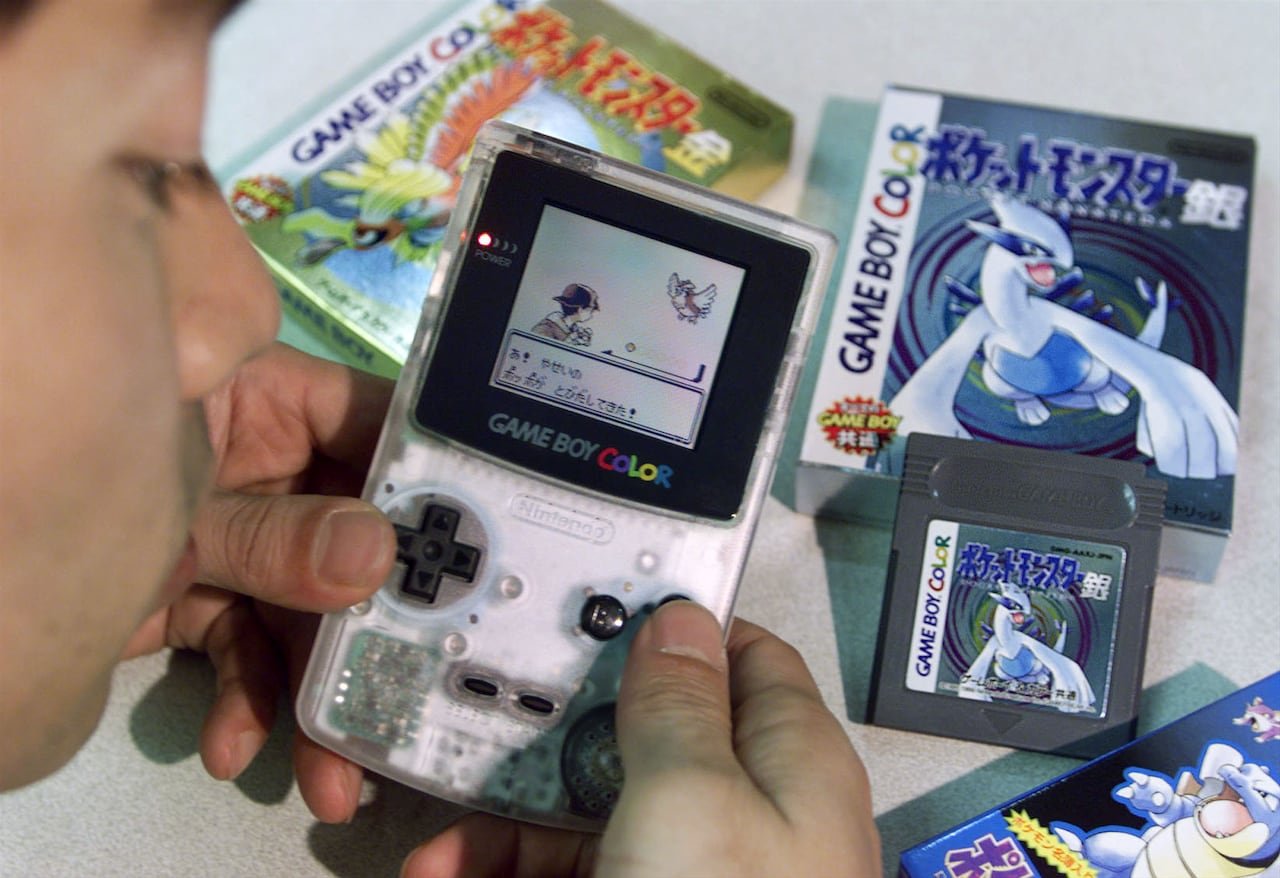
By the time Pokemon made its debut in North America in 1999, it had already established a comprehensive media ecosystem, captivating audiences with its diverse offerings.
Describing the impact of Pokemon’s arrival in the West, Alt remarked, “It had a meteoric impact, fundamentally reshaping the landscape of childhood fantasies in Western markets.”
Reflecting on her experience with the franchise, Hanine El Mir, who began playing Pokemon Blue on a Game Boy Color with her brother at a young age, expressed how the games and accompanying music evoke a sense of nostalgia and carefree joy.
El Mir, now a student of video games at Concordia University in Montreal, noted the enduring appeal of Pokemon and its ability to transport her back to simpler times.