

School uniforms belonging to children hung on the door, while academic workbooks were scattered on desks. Toys, covered in dust, remained untouched on the floor of Rania’s apartment in Syria, as Naila Al-Abbasi discovered nearly 12 years after her sister and her six children were detained and thrown into the regime’s network of secret prisons and detention centers.
On February 25, Al-Abbasi, who had traveled from Saudi Arabia, visited the home located in Dummar Project, an upscale neighborhood northwest of Damascus, the Syrian capital.
Al-Abbasi shared on Instagram, “The house reeks of death. The walls and curtains appear sorrowful, as if mourning their separation.”
Every corner of the residence was coated in grime, with bird carcasses scattered across the floor. This was once the lively abode of six children: Dima, 13; Entisar, 12; Najah, 11; Alaa, 8; Ahmed, 6; and Layan, 1.
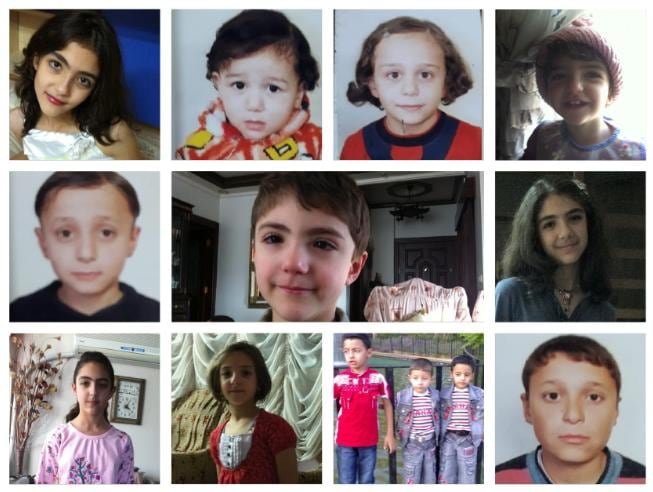
Hassan Al-Abbasi, Rania’s brother, has long sought information about their whereabouts. He has been actively searching for the children since the overthrow of Bashar al-Assad’s government in December, but to no avail. The family has not received any updates since March 2013.
“The situation is very challenging as none of the children have surfaced, and it was the first time our family had entered the home in 12 years,” Hassan expressed from Ottawa, where he resides with his family.
Probable Transfer of Children to Orphanages
On March 9, 2013, members of Assad’s military intelligence arrested Rania’s husband, Abdul Rahman Yasin, at their residence, seizing valuables and documents. Two days later, they apprehended Rania, her children, and her secretary, Majdoline Al-Qady.
The parents were accused of aiding those in need during the Syrian revolution that began in 2011. Rania’s case drew attention to the plight of missing detainees, including children.
Hassan believes the children might have stayed with Rania in detention before potentially being moved to orphanages or care centers, where their identities were erased. However, verification has been impossible without access to relevant documents.
The disappearance of entire families was a common atrocity during Assad’s oppressive regime.
Reports from the Syrian Network for Human Rights indicate that this practice was identified years ago and allegedly involved institutions like SOS Children’s Villages Syria.
In a statement to CBC News, the organization acknowledged concerns regarding children placed in care by the former government without proper documentation of their backgrounds.
“Many children were separated from their families during the war and placed in care services without proper records