


Mother’s Day serves as a time to acknowledge the multifaceted role of mothers, often symbolized through the gifting of flowers.
Renowned for their visual appeal and fragrant allure, flowers have been a traditional means of conveying a spectrum of emotions: love, appreciation, festivity, or simply to uplift someone’s spirits.
In 2025, a Statistics Canada study reported that over 425 million flowers were harvested in greenhouses nationwide.
Biologist David George Haskell points out that while we typically admire flowers for their aesthetics and scent, we often overlook their evolutionary journey.
Flowering plants emerged approximately 130 million years ago and rapidly propagated worldwide, now constituting around 90 percent of all plant species on Earth.
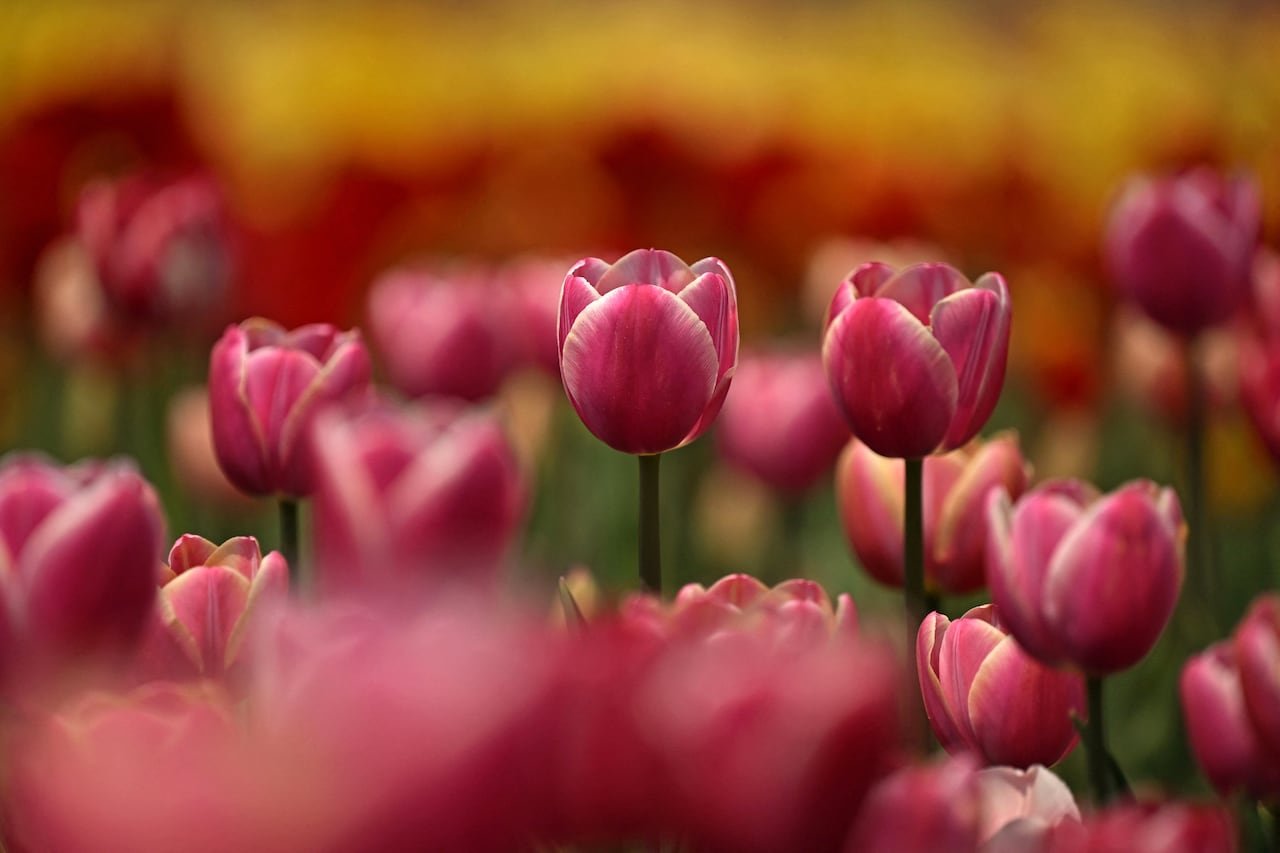
Haskell highlights a pivotal development in flowers, uniting male and female reproductive components within a single flower.
Prior to floral evolution, these functions were often segregated across various plant parts or even among distinct plants.
“This setup allows visiting insects to both deposit and collect pollen, facilitating highly efficient reproduction,” Haskell explained to Piya Chattopadhyay, host of The Sunday Magazine.
To attract insects and other pollinators, flowers evolved to display vibrant petals and aromatic fragrances, enhancing their visibility and appeal.
While natural agents like wind can aid in pollen transfer, insect pollination proves notably superior due to its precise particle conveyance.
According to Haskell, the brilliance of flowers lies in forging novel partnerships between plants and animals over millions of years.
“Flowers rewrite the narrative by transforming former adversaries into cooperative allies,” he remarked.
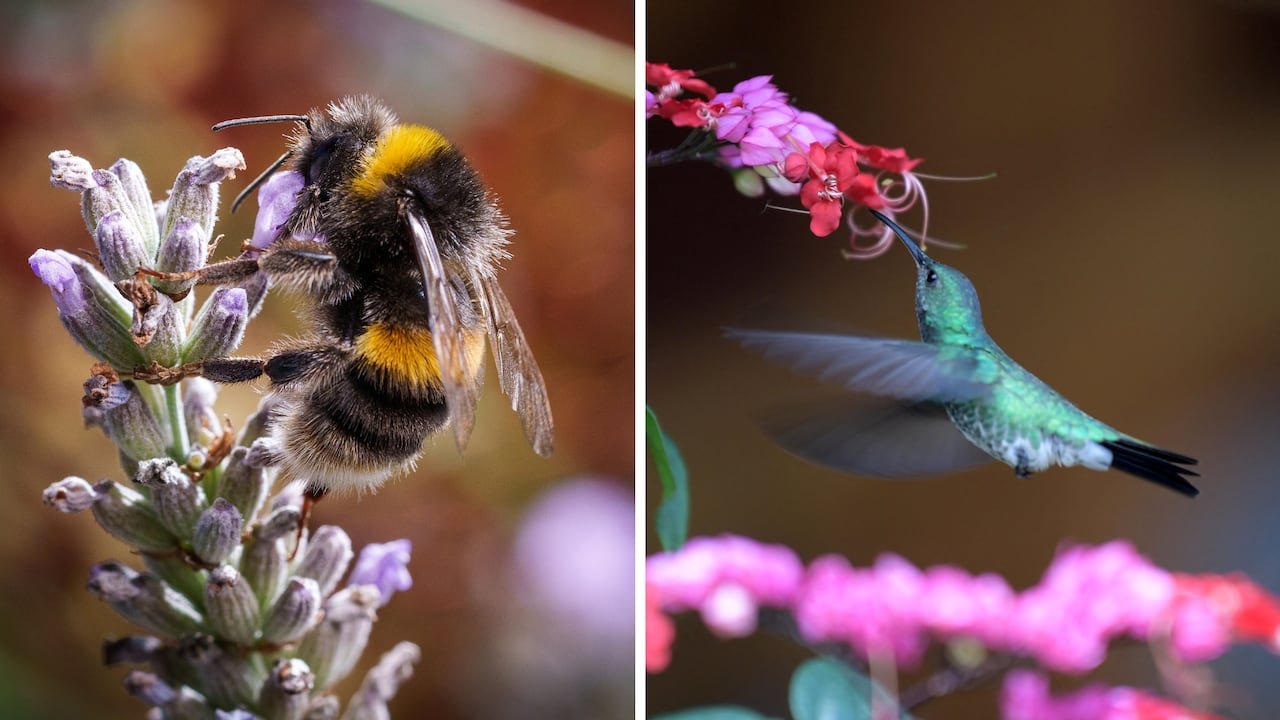
This symbiotic co-evolution explains the diverse array of flower shapes, hues, and scents, according to Susan Dudley, a plant evolution specialist at McMaster University.
She notes that this diversity mirrors eons of interplay with animals and adaptations aimed at better attracting pollinators.
For instance, flowers pollinated by hummingbirds tend to be red