


In this week’s edition of Quirks & Quarks with Bob McDonald:
Voyager 1 nearing the significant milestone of one light-day distance
On November 18, Voyager 1 will be positioned 25.9 billion kilometers from Earth, marking it as the first human-made object to achieve a distance equivalent to one light-day. Bob McDonald recalls witnessing the launch of Voyager 2 from Cape Canaveral, Florida, on August 20, 1977, alongside Jon Lomberg, the space artist and design director for the Golden Record that is included on both spacecraft. They reconnect to discuss the launch and the significance of the venture. Joe Westlake, a space physicist and head of NASA’s heliophysics division, elaborates on how the Voyager spacecraft still contribute to scientific findings about the galaxy beyond our solar system, nearly five decades later.
Boosting renewable energy could prevent a ‘global meltdown’ — if we act quickly
As the United Nations’ annual climate conference commences in Turkey, the world is on the brink of exceeding the Paris Agreement’s 1.5°C climate threshold. Experts assert that global initiatives to decrease carbon emissions must be expedited to prevent a “global meltdown.” John Pomeroy, a hydrologist at the University of Saskatchewan, highlights in a new study published in Science that even maintaining the increase at 1.5°C would lead Canada into “a very bad spiral, into dysfunction.” Another study published in Nature Climate Change by Corinne Le Quéré, a Canadian climate scientist at the University of East Anglia, found that from 2019 to 2025, 59 nations, including Canada, managed to cut their carbon emissions while also boosting their GDP. However, she emphasizes that much more progress is needed in the shift to renewable energy.

Recent studies indicate that while there have been advancements in moving from fossil fuels to clean energy, a more rapid transition is essential to prevent a ‘global meltdown.’ (Jeff McIntosh/The Canadian Press)
Researchers uncover compelling evidence of dinosaur blood
A team of researchers has reported the discovery of fossilized blood within a 115-million-year-old dinosaur femur. Led by Kliti Grice, a geochemist from Curtin University in Australia, the team was astonished to find molecular traces of heme, an iron-containing molecule present in blood, inside the dinosaur bone. Subsequent investigations revealed microscopic formations resembling red blood cells and additional chemical signatures of blood. After employing 30 different analytical techniques, the findings were published in the journal PNAS. Grice explains that these findings provide significant evidence that certain biomolecules can endure much longer than previously believed under specific burial conditions.
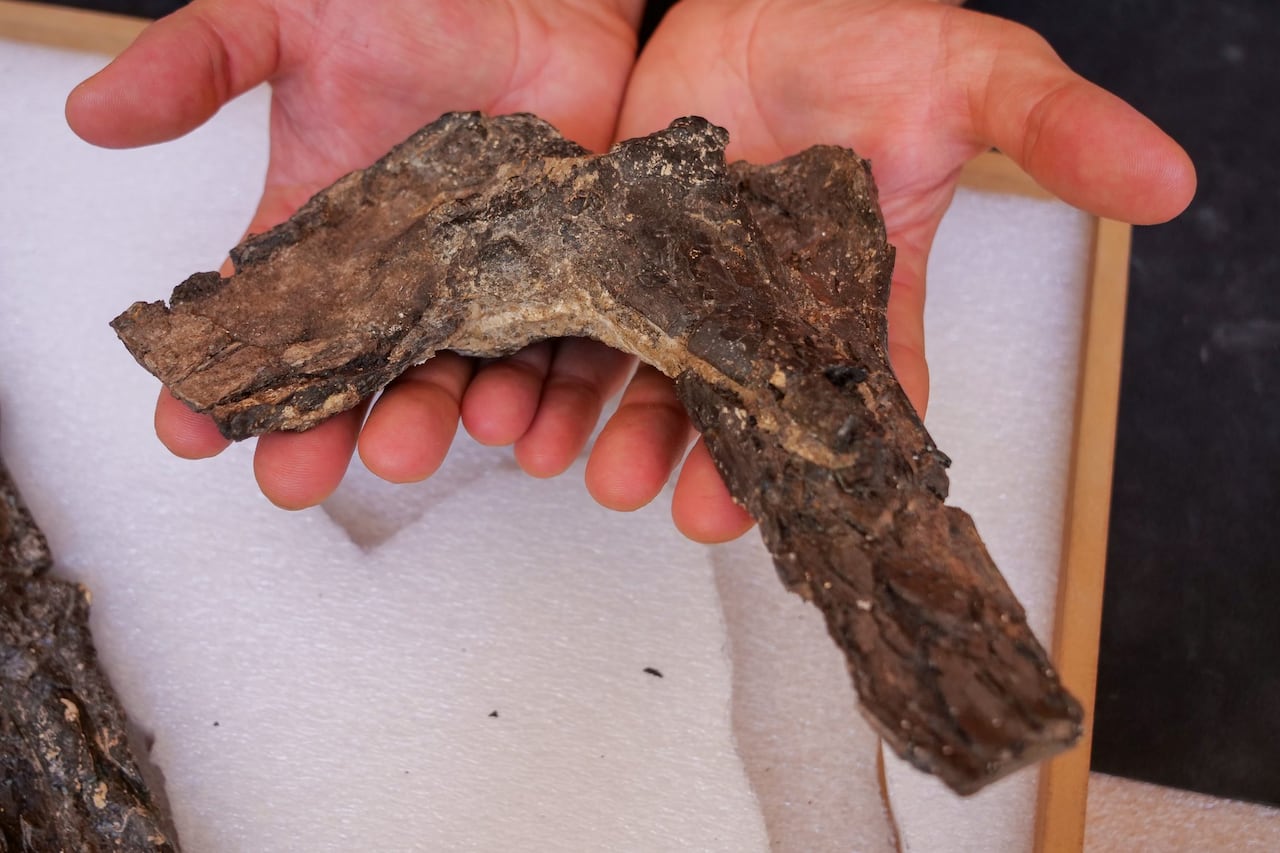
Traces of dinosaur blood have been discovered preserved in this seemingly ordinary thigh bone for 115 million years. (Curtin University)
Exploring the feathered ties between humans and birds
Throughout human history, birds have been a constant presence — depicted in our art, present in our attire, and featured on our plates. This fascination has, however, contributed to their population decline and even extinction. Studies indicate that the North American bird population saw a loss of nearly three billion adult breeding birds from 1970 to 2019. Pete Dunne, the former director of the Cape May Bird Observatory in New Jersey, has authored over 20 books on birds, with his latest titled Under Their Wing: How Birds Shape the Human Experience.
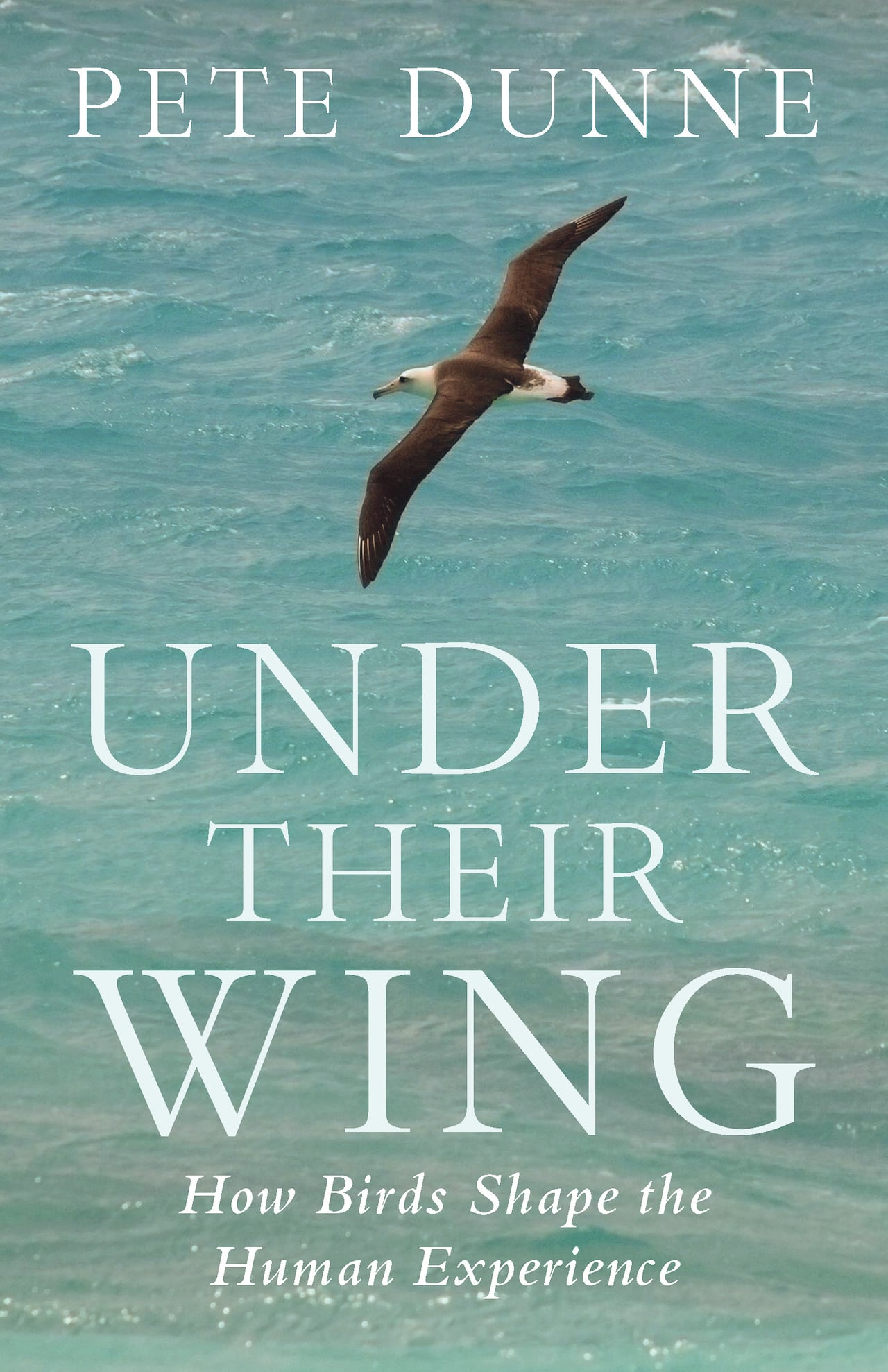
Prolific author Pete Dunne delves into the numerous ways in which human progress has been intertwined with birds in his book Under Their Wing: How Birds Shape the Human Experience. (Chelsea Green Imprint / Penguin Random House)
Your genetic makeup influences how you react to medications
The reaction of your body to new medications can be unpredictable until you actually take them. For certain drugs, effectiveness may vary based on an individual’s genetic makeup. While connections between specific genes and medications are known, their application in practice is often lacking — partly due to insufficient data on how prevalent these genetic variations are worldwide. In a recent study published in Science Translational Medicine, Philip Empey, an associate professor at the University of Pittsburgh, and his team examined 100,000 Americans from diverse ancestral backgrounds to gain a clearer understanding of the frequency of these genetic differences.
A digital representation of the human genome. (Mario Tama /Getty Images)