The wildfires in Saskatchewan have caused widespread devastation, but many experts believe that controlled prescribed fires play a crucial role in maintaining the health of the prairies.
Samantha Gunn, an educator at the Brightwater Science, Environmental, and Indigenous Learning Centre near Saskatoon, shared with CBC’s Blue Sky how they have integrated prescribed fire practices into the center’s programs and management of the native prairie lands.
Gunn emphasized, “We are committed to gaining a deeper understanding of the Prairie ecosystem we inhabit, and fire is a natural component of this environment.”
Prescribed burns are meticulously planned, taking various factors into account such as wind conditions, temperature, humidity, seasonal variations, and time of day.
Renny Grilz, a resource management officer for the Meewasin Valley Authority, acknowledged the destructive potential of uncontrolled fires but highlighted the safe use of fire for managing grassland ecosystems.
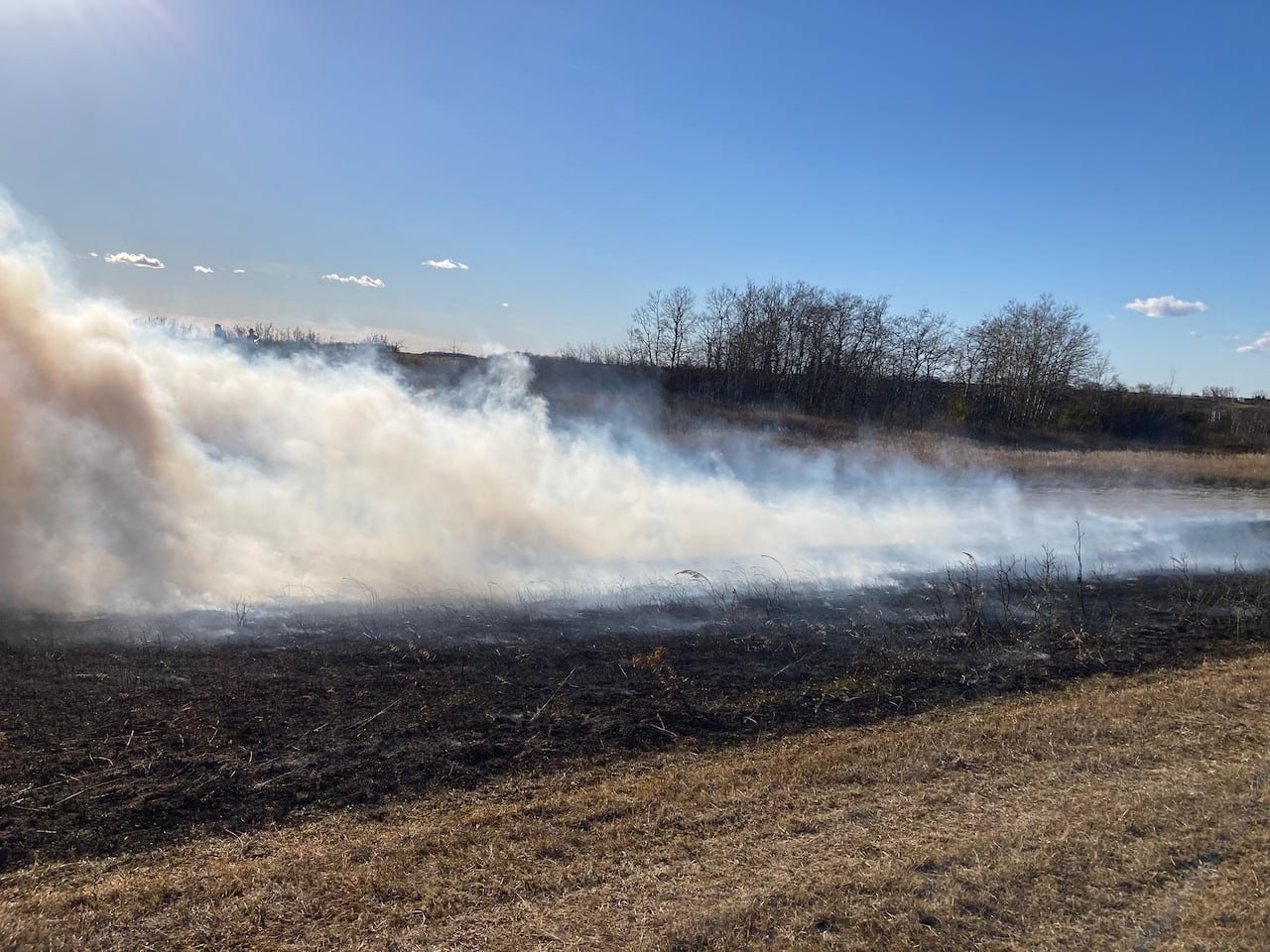
Prescribed burns serve to eliminate pests, revitalize food sources, and enhance areas for food gathering. However, the banning of these burns under the Prairie Fires Act of 1898 instilled a widespread fear of fire usage.
Grilz, a founding member of the Canadian Prairies Prescribed Fire Exchange (CPPFE), emphasized the importance of educating the public, landowners, and managers about the benefits of controlled fires.
Grilz stated, “Our work involves not only sharing knowledge on controlled fires but also gaining insights into the cultural significance of fire in Indigenous land management practices for preserving grassland health.”
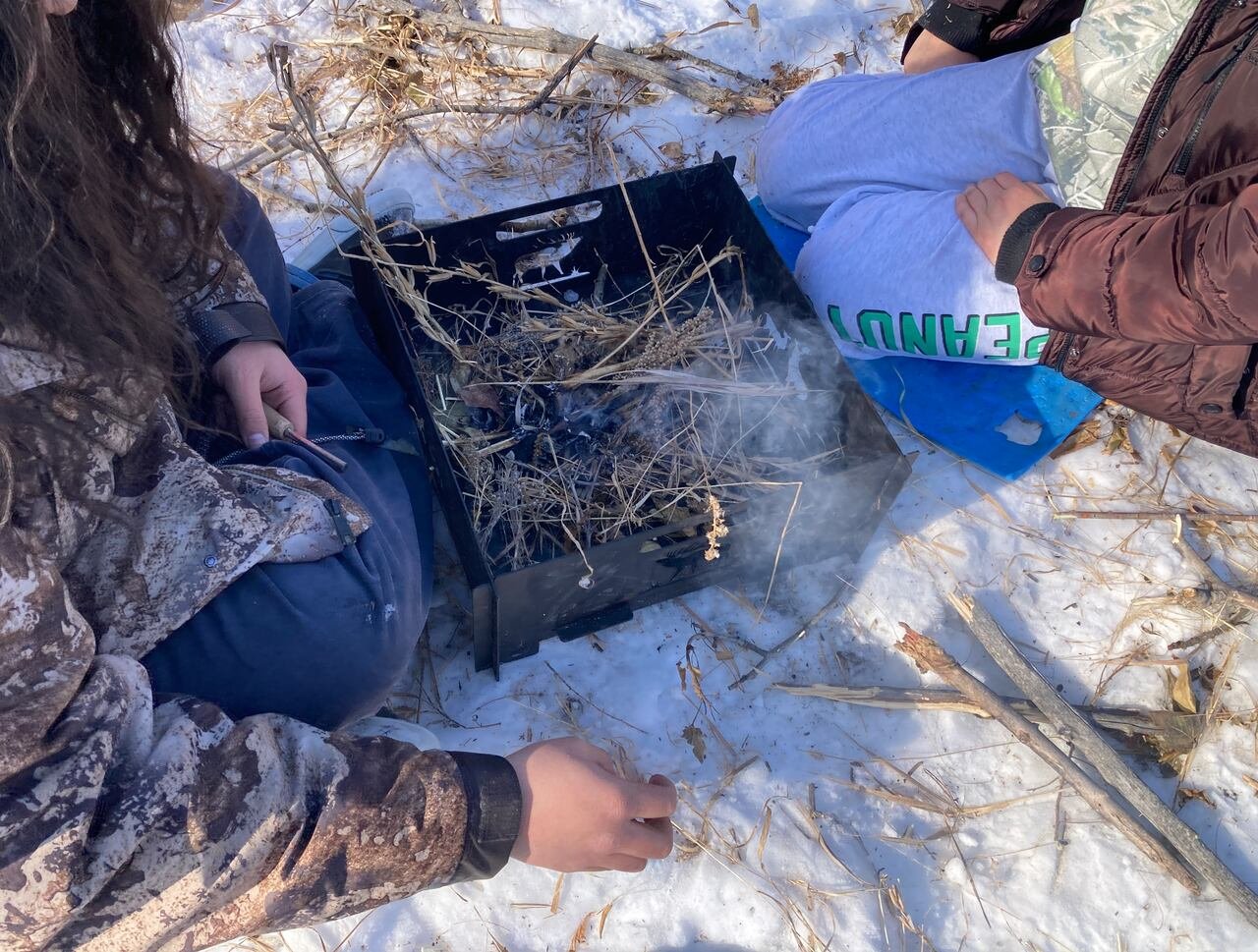
In 2019, Gunn collaborated with Grilz to implement prescribed burns at Brightwater, underscoring the necessity of a proficient team for successful execution.
With training, equipment, and resources provided by CPPFE, Gunn conducted two effective prescribed burns. Subsequently, prescribed burning became an integral part of the community’s practices.