

What makes Alberta whisky unique? Is it the water quality, the locally sourced barley, or perhaps the influence of the Chinook winds?
The specific characteristics that would define an “Alberta whisky” similar to the renowned bourbons of Kentucky or Tennessee are still a topic of debate.
However, the Alberta government is aiming to provide clarity on this issue. Recently, Service Alberta and Red Tape Reduction Minister Dale Nally was assigned the task of establishing the guidelines for a product to be officially recognized as Alberta whisky.
When questioned about their interpretation of this definition, various distillers offer diverse perspectives.
David Farran, the president and CEO of Eau Claire Distillery in Diamond Valley, just south of Calgary, reflects on the evolution of the local market. Standing beside a mash tun, a crucial apparatus in whisky production for extracting sugars from malted barley, Farran emphasizes the abundant resources Alberta possesses, such as its highly regarded barley and suitable climate for whisky production.
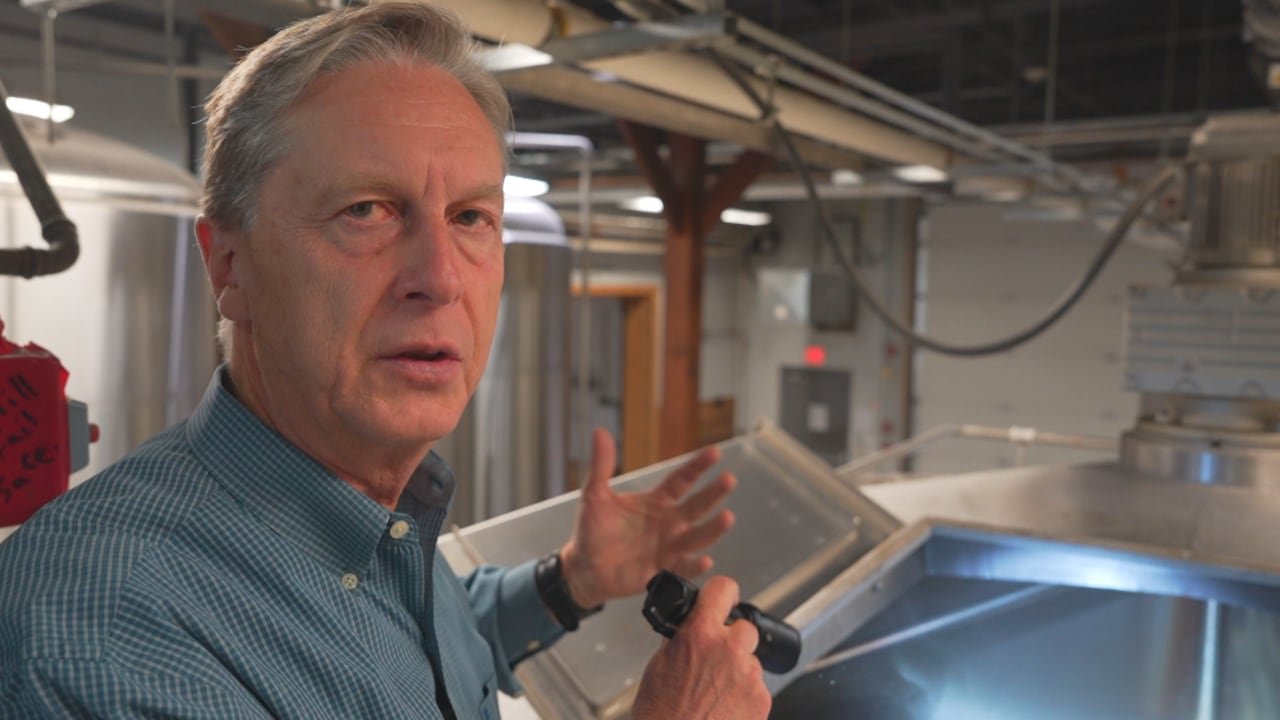
Farran expresses his optimism that potential reforms could elevate Alberta whisky to a premium status it deserves.
Historically, Alberta whisky has not garnered top global rankings and has been undervalued in comparison to other whiskies, notes Farran. He envisions establishing Alberta’s reputation as a producer of premium and super-premium whiskies.
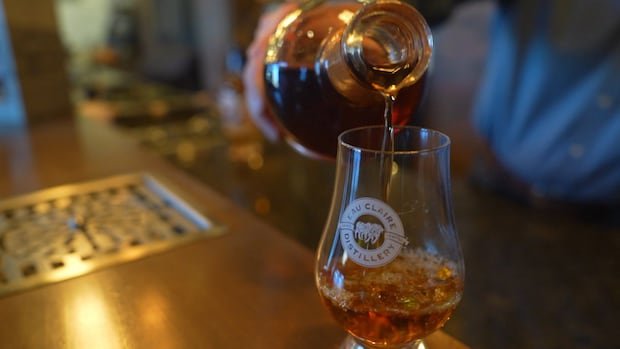
Kentucky bourbon, French champagne, and Mexican tequila are renowned beverages associated with their regions. Should Alberta whisky join this prestigious group?
Establishing an Alberta whisky trail?
Nally draws inspiration from a recent visit to Kentucky, where he explored the Kentucky Bourbon Trail, a popular tourist attraction featuring distilleries like Maker’s Mark and Wild Turkey. His mandate includes creating an “Alberta Whisky Act” to outline the requirements for an Alberta whisky.
Comparing the potential of a whisky trail in Alberta to the successful bourbon trail in Kentucky, Nally anticipates the tourism opportunities it could bring, leveraging Alberta’s existing tourist attractions like Banff and Jasper.
Collabor