

The tourism season serves as a crucial economic engine for many communities in British Columbia, yet it coincides with the period of wildfires.
This summer, various events throughout the B.C. Interior have faced alterations or outright cancellations due to smoke and fire conditions.
The tourism sector indicates that the economic and social ramifications of a smoky summer have left an enduring impact on local communities.
“Some of our organizers have used the term devastation. It’s incredibly disappointing,” stated Jonathan Arkle, president of the Apple Race Series Society, following the announcement of the cancellation of the Triathlon National Championships scheduled in Kelowna on August 9.
He explained that the decision to cancel the Argus Apple triathlon was made due to health concerns regarding the heavy smoke in the atmosphere.
Earlier this week, Environment Canada issued an air quality alert for southern and central regions of B.C., cautioning that high smoke levels may pose health risks.
“We feel second-hand heartbreak for all the athletes who had planned to come and were traveling from afar,” remarked Arkle.
Over 700 competitors had signed up for the national triathlon championships in Kelowna, alongside many volunteers ready to assist.
-
What you need to know about B.C. wildfires on Aug. 7
-
Suspicious fires break out near B.C.’s Shuswap Lake amid high fire danger
In a similar situation, the Fat Dog 120 trail race, which was set to kick off on August 7, was also called off just over a week before more than 1,000 participants were expected to arrive in Manning Park nestled in the Cascade Mountains.
“We didn’t believe the conditions were safe,” stated race director Erik Bird regarding the lengthy 193-km (120-mile) race after wildfires spread into Canada from Washington state.
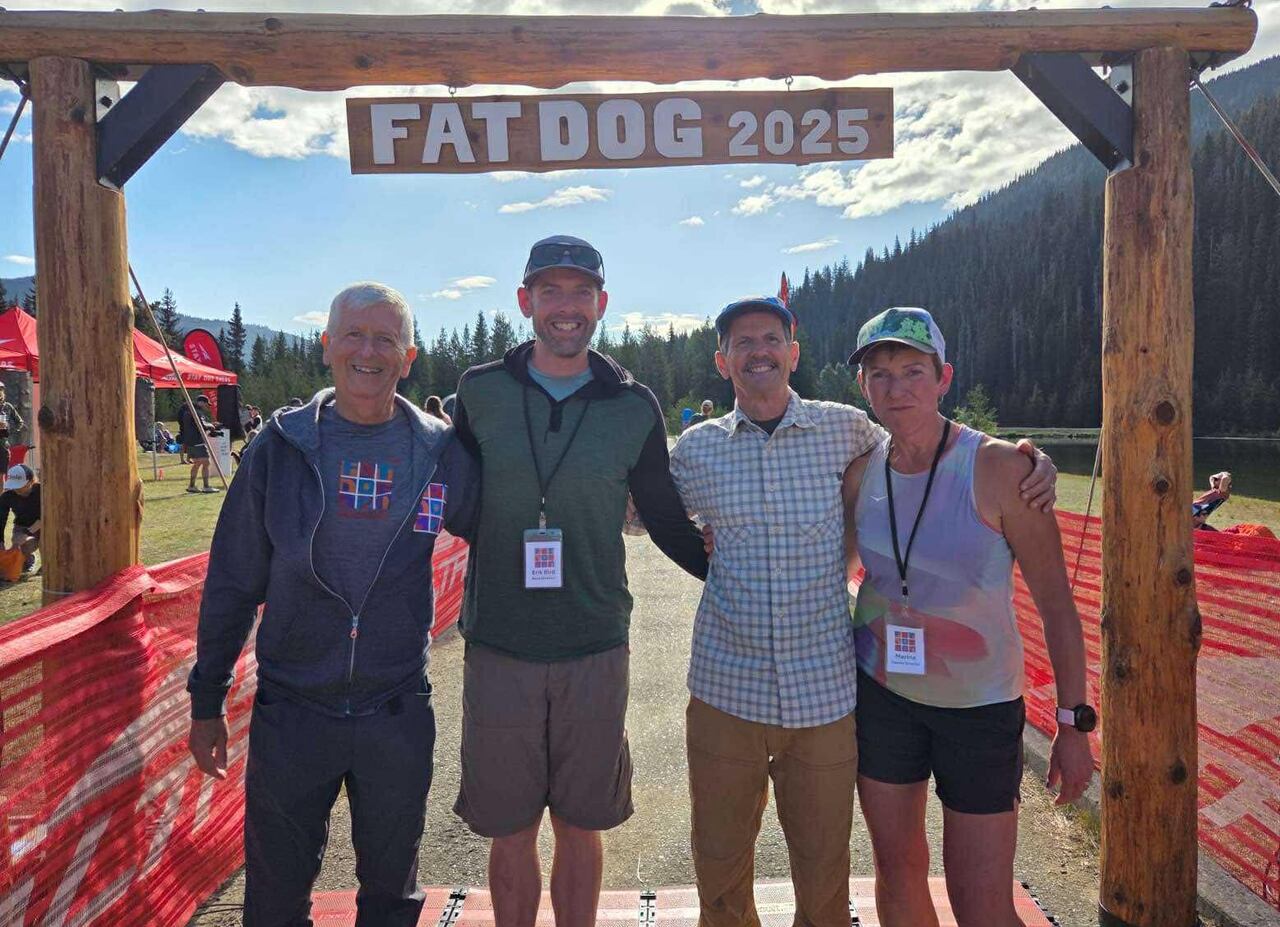
Erik Bird, second from left, mentioned that the ongoing wildfire activities surrounding Manning Park — including smoke, air quality issues, and escalating fire risks — posed unacceptable safety concerns for racers, volunteers, staff, and the wider community. (Submitted by Erik Bird)
Bird noted that participants will receive a 50 percent race credit refund, but his team is still assessing the full financial consequences of the race cancellation.
He indicated that staff, vendors, local businesses, and athletes will face direct impacts — highlighting that the cancellation of one of Canada’s largest trail races also has a broader ripple effect.
“People have shown great understanding. There is certainly disappointment, but I believe those participating in this type of long-distance race, in such a high-caliber event, are problem-solvers and maintain a positive outlook,” asserted Bird.
He expressed optimism about hosting the race next year.
In light of the wildfire situation in the Okanagan, the Bush Babes Trail Running organization has taken the step of acquiring event cancellation insurance for their forthcoming races.
In a statement, race director Dawna Jodoin announced that this will ensure all registrants receive a full refund if an event gets cancelled.
Tourists cautious, says association president
Cassandra Zerebeski, the president of Tourism Kelowna, mentioned that although event cancellations and smoke have occurred, tourists continue to visit the area — albeit with growing caution.