

Ontario public servants who returned to the office last week have faced criticism from workers’ unions for their disrespectful and confusing reentry process. The unions highlighted that some ministries and agencies are still lacking sufficient space to comply with Premier Doug Ford’s directive.
Last week, thousands of employees were required to work in the office for four days instead of three, following an order issued by the Progressive Conservative government earlier this summer. This sudden shift has upset workers who had been on hybrid schedules for over three years and could lead to increased costs for taxpayers due to the necessity to acquire additional office space.
The president of AMAPCEO, representing around 17,000 professional, administrative, and supervisory staff in the Ontario Public Service, described the return process as highly disruptive. Dave Bulmer expressed concerns that the government lacks adequate space to accommodate the mandated return of workers.
In August, Treasury Board President Caroline Mulroney announced a requirement for the 60,000 Ontario Public Service employees to increase their in-office attendance to four days per week starting October 20, with full-time in-office hours beginning January 5, 2026. This marked a departure from the previous policy implemented since April 2022, which mandated a minimum of three days in the office for provincial government employees.

Government of Ontario Engaged in Leasing, Union Reports
Bulmer highlighted that the government and its affiliated agencies are actively procuring buildings and signing leases to accommodate the returning workforce. However, he noted that executing these plans within the timeline set by the Ford government has posed challenges.
He emphasized that several locations, such as the Workplace Safety Insurance Board (WSIB) and Ontario Health, are facing significant space shortages, with entire floors being unavailable. Bulmer estimated that approximately 10,000 AMAPCEO members returned to four days in the office last week, while about 6,000 members with existing hybrid work agreements will still be honored despite the recent changes.
Moreover, many returning employees are seeking flexible work options, adding further complexity to the transition back to the office. Bulmer criticized the return process as disjointed, citing instances where workers were uncertain about their designated floors or seating arrangements, leading to unnecessary confusion.
Both WSIB and Ontario Health confirmed that they are working diligently to comply with the province’s directive by expanding available workspace for their employees.
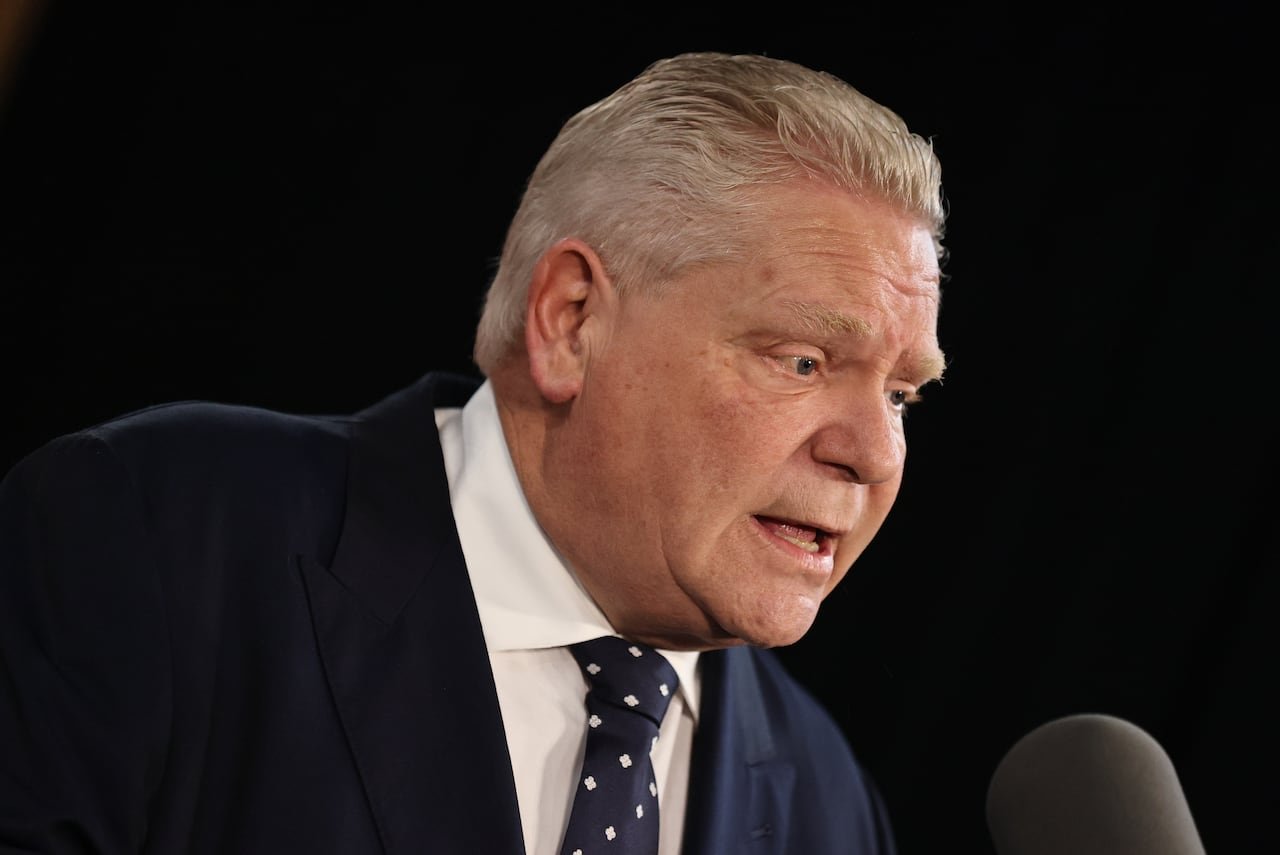
The Ontario Public Service Employees Union (OPSEU), representing about half of the Ontario Public Service workforce, criticized the return to office order as a direct show of disrespect to employees.
Amanda Usher, chair of the OPSEU OPS unified central employee relations committee and unified bargaining team, highlighted the confusion experienced by union members last week, citing delays and inadequacies in government updates regarding logistics, space considerations, and accommodation requests.
Usher expressed disappointment over the lack of consultation with workers prior to the decision and emphasized the need for evidence to support such actions. She relayed concerns from members who had office reorganizations assuming a permanent hybrid work model, only to face uncertainty about workspace availability upon the return to the office.
The union pledged to closely monitor the evolving situation to uncover any flaws in the current plan.
- <a class="similarLink" href="https://www.cbc.ca/news/canada/toronto/ontario-public-service-work-from-office-mandate-remote-1.760