

A group of researchers based in Hamilton is addressing concerns regarding the soot that has been settling on properties in the vicinity of the city’s industrial zone.
For many years, locals have voiced their frustrations about a black, dirty residue accumulating on their homes. This ongoing problem re-emerged in early July, when residents reported what many termed the most severe fallout in recent times.
Sarah Styler, an environmental chemistry associate professor at McMaster University, along with Grace Yao, a PhD student in Styler’s research team, are involved in the project titled “What’s the Grime?” which aims to uncover the origins of the soot.
In collaboration with volunteers for sample collection across the city in 2024 and 2025, the researchers discovered that the soot contains hazardous chemicals typically associated with coal burning. They also noted that levels of dust and polycyclic aromatic hydrocarbons (PAHs) were elevated in the areas adjacent to the industrial sector in northeast Hamilton.
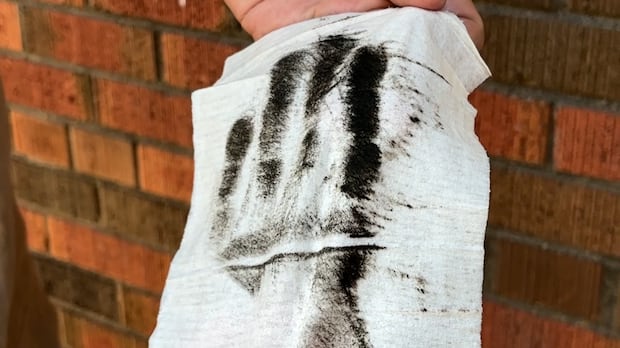
Residents in and around Hamilton’s east end report their homes were covered in black soot this week. While soot is not a new issue for the community, Ward 4 councillor Tammy Hwang states that this occurrence is different, impacting those further away.
Styler collaborated with Environment Hamilton on the research, which received a $15,000 grant from the university in 2024.
As a resident of east Hamilton, Styler has experienced the soot firsthand; Yao mentioned she has encountered similar issues in Corktown.
“This has been a recognized problem for a very long time,” Styler remarked.
She pointed out that part of their research involved Yao uncovering references to the soot in news records dating back to at least the 1950s.
The investigation included using sampling kits to gather soot from the residences of 50 volunteers across the city. Researchers collected samples from each kit at four-month intervals for analysis.
“Near the industrial area, there is an increase in dust accumulation,” Styler stated. “Additionally, closer proximity to the industrial sector correlates with a higher presence of these toxic compounds.”
An update released by the team on the Environment Hamilton website on Monday indicated that PAH concentrations were greater during winter compared to summer.
Styler revealed that the team analyzed 13 different PAHs, but these compounds are not the sole toxic elements that could be present in the grime, which she characterized as a “gloopy mess.”
Due to limitations in resources, the study could not investigate all components of the grime, Yao mentioned, suggesting that other sources might also be contributing to the fallout. Nevertheless, “coal combustion plays a particularly important role in the formation of the PAHs we are discussing.”
While Styler’s team is unable to draw conclusions about the specific industrial sources of the PAHs, she noted that further monitoring and “analytical firepower” could lead to such insights.
Findings likely seem obvious: Styler
According to Styler, these findings are unlikely to astonish residents in neighborhoods predominantly affected by the fallout. It appears evident that the substance impacting individuals living near coke plants originates from industrial emissions, she remarked.
However, she pointed out that locals have expressed frustration over what they perceive as insufficient information from official channels.
On July 28, Alexandru Cioban, a representative from the Ministry of the Environment, Conservation and Parks, informed CBC Hamilton that the ministry is continuing “the necessary testing as we assess operations at industrial facilities in Hamilton’s north end to identify a probable source.”
Cioban assured that the ministry would publicly disclose the results of its testing and added that ministry tests conducted in 2024 indicated that the particulate at that time was mainly road dust.
For this article, CBC Hamilton reached out to the ministry for more information regarding the timing of their findings and the testing methods employed. The ministry had not responded before the publication deadline but has indicated it will update the story with any forthcoming information.
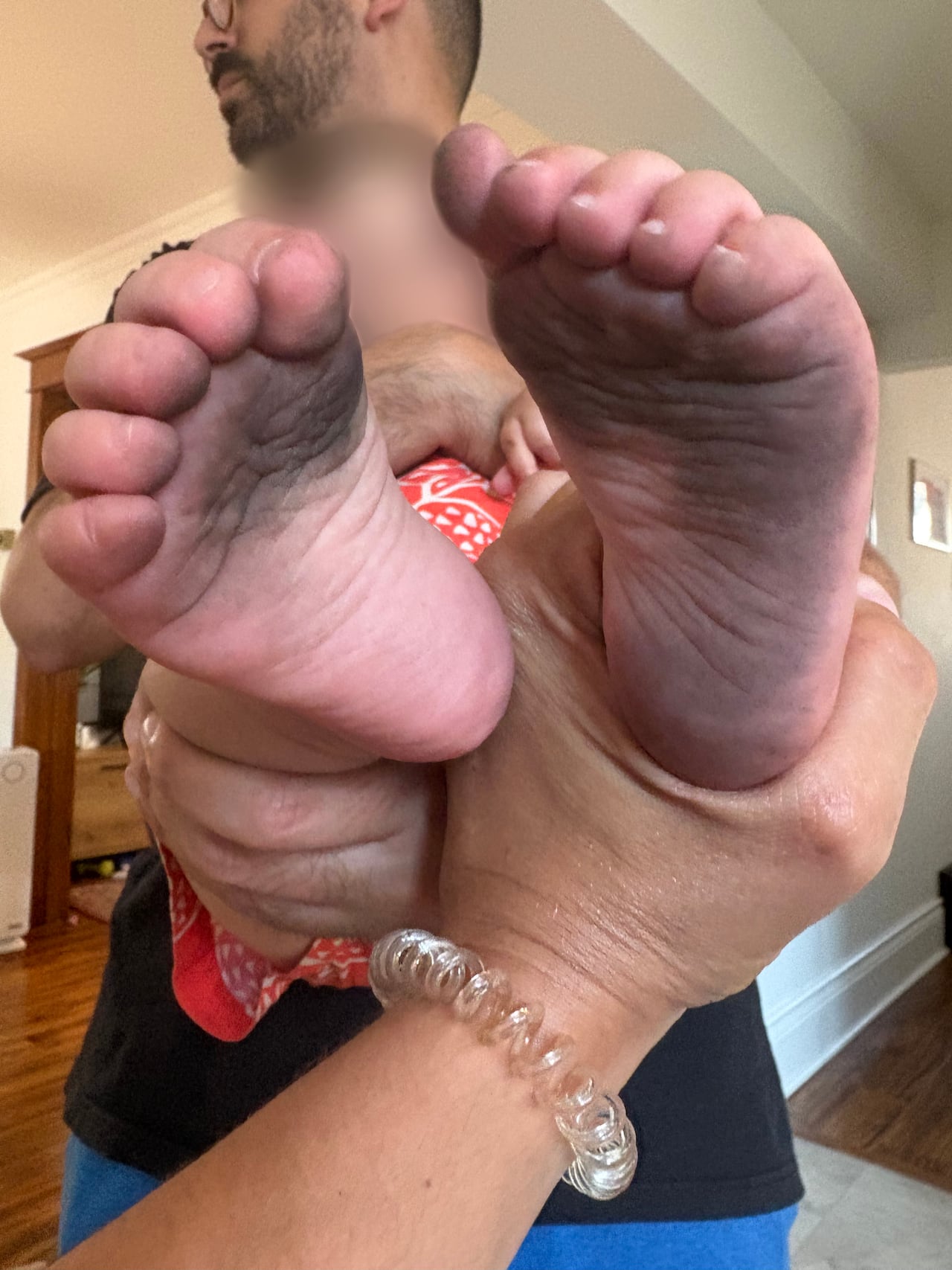
Hamilton resident Ali Kellner reports that her son was covered in black grime after playing outside in early July. CBC blurred the image of the boy’s face at his mother’s request to protect his identity. (Submitted by Ali Kellner)
Styler stated that her team’s findings do not support the notion that the soot is primarily road dust.
She emphasized that their sampling corroborates what the community has been asserting “for a long time” — that the soot is a byproduct of industrial activity.
The associate professor noted that it is crucial to recognize that her team’s research does not make residents’ experiences any less valid than they were previously. “It has always been real,” she affirmed.
The researchers are organizing a community meeting on August 20 to share their findings. They are also preparing a manuscript for peer review and intend to disclose more results once that process is finalized.
Additionally, they aim to expand their research from 50 to 200 volunteers and to investigate a broader range of compounds within the grime. Styler expressed interest in exploring effective cleaning methods for the soot as well.